

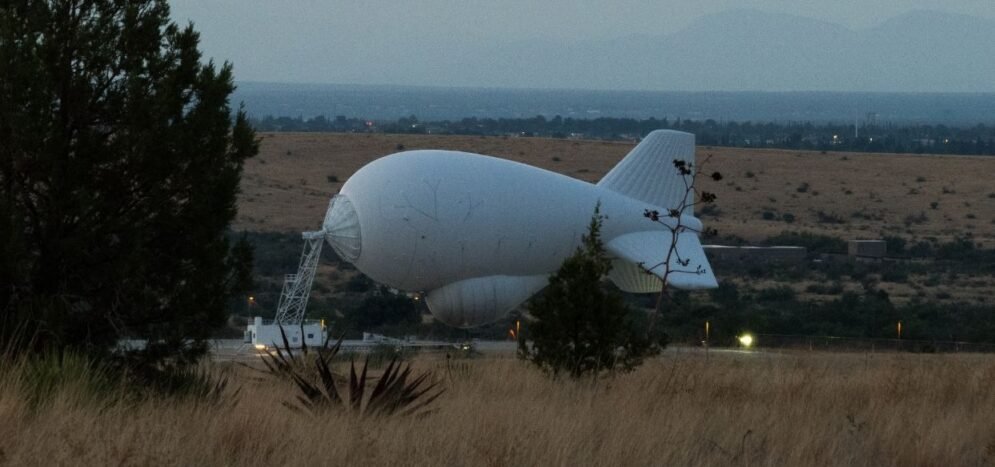
Aerostat Systems Technology: Transforming Persistent Surveillance and Modern Defense Operations
Introduction
Aerostat systems have emerged as an important technology for persistent surveillance, border security, communications, and military operations. Unlike conventional aircraft, helicopters, or unmanned aerial vehicles (UAVs), aerostats are lighter-than-air platforms that remain airborne for extended periods while carrying a variety of sensors and communication payloads. Their ability to provide continuous monitoring at relatively low operational costs has made them a valuable asset for defense forces, homeland security agencies, and commercial organizations worldwide.
Modern aerostat systems combine advanced materials, sensor technologies, communication networks, and automation to create highly capable airborne platforms. From detecting low-flying aircraft and drones to monitoring maritime boundaries and supporting disaster management, aerostat technology is playing an increasingly important role in both military and civilian applications.
What Are Aerostat Systems?
Aerostats are tethered, lighter-than-air platforms that generate lift using gases such as helium. They remain connected to a ground station through a tether that provides mechanical support, power transmission, and data connectivity. Unlike free-flying airships, aerostats stay fixed over a designated area, enabling persistent observation and communication coverage.
Aerostat systems generally consist of three major components:
- Aerostat Envelope: The balloon-like structure filled with helium.
- Tether System: Provides anchoring, power, and data transfer.
- Ground Control Station: Manages flight operations, sensor control, and communication networks.
These systems can operate at altitudes ranging from a few hundred meters to several kilometers, depending on mission requirements.
How Aerostat Technology Works
Aerostat systems rely on buoyancy generated by helium gas to remain airborne. The platform carries payloads such as radar systems, electro-optical sensors, infrared cameras, communication relays, electronic intelligence equipment, and weather monitoring instruments.
The tether connecting the aerostat to the ground station plays a critical role. In addition to securing the platform, modern tethers can transmit electrical power and high-speed data, eliminating the need for large onboard power sources and enabling long-duration operations.
Advanced ground control stations monitor weather conditions, payload performance, altitude, and system health in real time. Automated control systems help maintain stability during changing wind conditions and optimize payload performance.
Key Technologies in Modern Aerostat Systems
Advanced Materials
Modern aerostat envelopes are manufactured using lightweight, high-strength composite fabrics that provide durability, gas retention, and resistance to environmental conditions. These materials improve endurance while reducing maintenance requirements.
Persistent Surveillance Radar
Aerostats are widely used as elevated radar platforms. By operating at higher altitudes, they extend radar coverage beyond ground-based line-of-sight limitations. This capability is particularly valuable for detecting low-flying aircraft, cruise missiles, drones, and maritime targets.
Electro-Optical and Infrared Sensors
High-definition electro-optical (EO) and infrared (IR) sensors provide day-and-night surveillance capabilities. These payloads support border monitoring, target tracking, maritime patrol, and disaster response operations.
Communication Relay Systems
Aerostats serve as airborne communication nodes that extend network coverage for military forces, emergency responders, and remote communities. They can support secure tactical communications, cellular connectivity, and broadband services.
Artificial Intelligence and Data Analytics
AI-enabled software is increasingly integrated with aerostat systems to process sensor data, automate target detection, classify threats, and reduce operator workload. Machine learning algorithms improve surveillance efficiency and support faster decision-making.
Defense Applications
Border Security
Aerostat systems are widely deployed for border surveillance, helping authorities monitor illegal crossings, smuggling activities, and unauthorized movements over large areas.
Counter-Drone Operations
The rise of small unmanned aerial systems has increased demand for persistent detection capabilities. Aerostat-mounted radars can detect low-altitude drones that may evade traditional radar systems.
Maritime Surveillance
Navies and coast guards use aerostats to monitor shipping lanes, detect suspicious vessels, and protect offshore infrastructure.
Battlefield Intelligence
Military forces use aerostats to provide continuous intelligence, surveillance, and reconnaissance (ISR) coverage over operational areas. Their endurance allows commanders to maintain situational awareness without frequent platform replacement.
Communication Support
Aerostats can function as airborne communication relays, ensuring connectivity between dispersed units in remote or contested environments.
Civilian and Commercial Applications
Beyond defense, aerostat systems support a range of civilian missions:
- Weather observation
- Environmental monitoring
- Disaster management
- Wildfire detection
- Telecommunications
- Scientific research
- Event security
In disaster zones where conventional infrastructure is damaged, aerostats can quickly restore communication services and provide aerial imagery to emergency responders.
Advantages of Aerostat Systems
Aerostats offer several advantages over other airborne platforms:
Long Endurance
Aerostats can remain airborne for days, weeks, or even months, providing uninterrupted surveillance.
Lower Operating Costs
Compared with aircraft or UAVs, aerostats require less fuel and maintenance, reducing lifecycle costs.
Wide Coverage Area
Elevated sensors provide extended line-of-sight coverage for radar and communication systems.
Flexible Payload Integration
Aerostats can carry multiple sensors simultaneously, enabling multi-mission operations.
Rapid Deployment
Portable systems can be quickly deployed in operational areas or emergency situations.
Challenges and Limitations
Despite their advantages, aerostat systems face several challenges:
- Sensitivity to severe weather conditions
- Dependence on helium availability
- Vulnerability in hostile environments
- Tether management complexity
- High initial procurement costs
Manufacturers continue to develop stronger materials, advanced automation, and improved mooring systems to overcome these limitations.
Global Market Trends
The global aerostat systems market is experiencing steady growth due to increasing demand for persistent surveillance and border security solutions. Rising geopolitical tensions, expanding counter-drone requirements, and modernization of military forces are key market drivers.
Countries across North America, Europe, Asia-Pacific, and the Middle East are investing in aerostat technology to enhance ISR capabilities. Advances in sensors, AI, and communication technologies are further expanding the operational value of these systems.
Commercial sectors are also exploring aerostats for broadband connectivity, remote communications, and environmental monitoring applications.
Future Outlook
The future of aerostat systems technology lies in greater autonomy, improved sensor integration, and enhanced network connectivity. Next-generation aerostats are expected to incorporate:
- Artificial intelligence-enabled target recognition
- Multi-sensor fusion
- Advanced communication relays
- Improved weather resistance
- Hybrid energy systems
- Integration with drones and satellite networks
As defense forces move toward network-centric operations, aerostats will continue to serve as cost-effective platforms for persistent surveillance and communication support.
Conclusion
Aerostat systems technology has evolved into a critical enabler of modern surveillance, defense, and communication operations. Their ability to remain airborne for extended periods while carrying advanced sensors makes them uniquely suited for border security, maritime surveillance, counter-drone missions, and disaster response.
With continuous advancements in materials, artificial intelligence, sensors, and communications, aerostats are becoming smarter, more resilient, and more versatile. As nations seek affordable solutions for persistent situational awareness, aerostat systems are expected to play an increasingly significant role in the future of defense and civilian operations worldwide.