

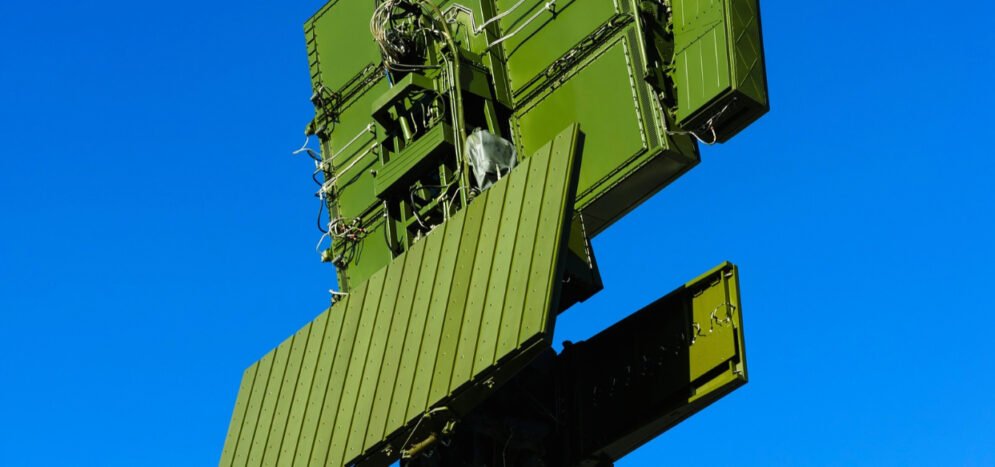
Weapon Locating Radar Technology is playing an increasingly important role in modern military operations by helping armed forces detect incoming projectiles, identify hostile firing positions, and improve battlefield situational awareness. As artillery, mortars, and rocket systems become more sophisticated, military organisations require advanced radar solutions that can deliver timely and reliable information about potential threats.
Weapon locating radar systems use electromagnetic waves, advanced signal processing, and trajectory analysis to detect projectiles in flight and estimate their points of origin. The information generated helps military commanders assess threats, coordinate defensive measures, and support counter-battery operations.
Growing defence modernisation programmes, increasing demand for advanced surveillance systems, and investments in indigenous defence manufacturing are strengthening interest in military radar technologies. As a result, weapon locating radar has become an important area of innovation within the global defence electronics and military surveillance industries.
What Is Weapon Locating Radar Technology?
Weapon locating radar is a specialised military radar system designed to detect and track projectiles launched by artillery guns, mortars, and rocket systems. By analysing the movement of these projectiles, the radar estimates their trajectories and determines the probable locations from which they were fired.
Unlike conventional air surveillance radar, which primarily monitors aircraft and other airborne targets, weapon locating radar focuses on the detection and analysis of indirect-fire threats. Depending on its configuration, the system can also estimate potential impact locations and provide information that supports military threat assessment.
Modern weapon locating radar systems are available in mobile, vehicle-mounted, and transportable configurations. Mobile platforms are particularly useful because military units can reposition them as operational requirements change. These systems may be deployed to protect military bases, forward operating locations, border areas, and other strategically important installations.
Integration with command-and-control networks enables weapon locating radar to share information with other military units and surveillance systems. This connectivity improves situational awareness and supports more coordinated responses to emerging threats.
How Weapon Locating Radar Systems Work
Weapon locating radar systems transmit electromagnetic signals and analyse the signals reflected by objects moving through their monitored coverage area. When a projectile is detected, the radar collects measurements of its movement and uses specialised algorithms to establish its flight trajectory.
The system processes these measurements to estimate the projectile’s probable launch position. Depending on the system’s capabilities, it may also calculate an estimated impact point and classify the detected threat.
The main stages of operation include projectile detection, trajectory tracking, signal processing, location estimation, and information distribution. Automated processing helps reduce the time required to transform radar observations into useful operational information.
The accuracy and reliability of weapon locating radar depend on several factors, including radar architecture, sensor performance, projectile characteristics, terrain, weather, and electronic interference. Advanced systems combine improved radar hardware with sophisticated software to enhance detection performance under varying operating conditions.
Key Technologies Driving Weapon Locating Radar Development
Advances in radar engineering and digital computing are improving the capabilities of modern weapon locating radar systems.
Phased-array radar technology enables electronic steering of radar beams, supporting rapid scanning and target tracking. Compared with systems that depend entirely on mechanical antenna movement, electronically steered architectures can provide greater flexibility in directing radar energy.
Digital signal processing helps distinguish relevant projectile signals from background clutter and unwanted interference. Improved processing capabilities support more reliable tracking and faster analysis of complex radar measurements.
Artificial intelligence and machine learning are increasingly being explored for radar data analysis, automated classification, anomaly detection, and decision-support applications. These technologies may help operators interpret large volumes of sensor information, although their performance depends on data quality, testing, and operating conditions.
Advanced antenna systems improve radar signal collection and influence detection range, sensitivity, and tracking performance. Antenna design remains a key consideration in developing compact, mobile, and high-performance military radar platforms.
Secure communication networks enable radar-generated information to be shared with military command centres and connected battlefield systems. This integration supports a more comprehensive operational picture and improves coordination among defence units.
Together, these technologies are contributing to the development of more responsive, adaptable, and digitally integrated weapon locating radar solutions.
Military Applications of Weapon Locating Radar
Weapon locating radar technology supports a range of military missions where detecting indirect-fire threats is essential.
Counter-battery operations: Weapon locating radar helps estimate the positions of hostile artillery and mortar units. The resulting information supports threat assessment and counter-battery planning.
Border surveillance: Military forces can use these systems to improve awareness of artillery and rocket threats in sensitive border regions. Their ability to identify projectile trajectories provides information that complements other surveillance capabilities.
Military base protection: Radar systems can contribute to the protection of forward operating bases, logistics facilities, command centres, and other critical defence installations by identifying incoming indirect fire.
Force protection and threat assessment: Information about projectile trajectories and estimated impact areas can help military personnel assess potential risks and take appropriate protective measures.
Integrated battlefield management: When connected with other surveillance sensors and command-and-control networks, weapon locating radar contributes to a shared operational picture. This integration helps commanders coordinate information across different military units.
The effectiveness of these applications depends on radar performance, communication reliability, operational procedures, and the integration of data from complementary intelligence sources.
Weapon Locating Radar Market Trends and Industry Opportunities
The weapon locating radar market is influenced by defence modernisation, changing battlefield requirements, and increasing demand for advanced military surveillance systems. Governments are investing in technologies that improve threat detection, protect personnel, and strengthen operational readiness.
One significant trend is the development of mobile and modular radar platforms. These systems offer greater deployment flexibility and can be adapted to different military requirements. Modular architectures may also simplify maintenance, upgrades, and integration with existing defence infrastructure.
Another important trend is the adoption of network-centric defence systems. Weapon locating radar is increasingly being integrated with battlefield management platforms, artillery command systems, communication networks, and other surveillance assets. This creates opportunities for radar manufacturers, defence electronics suppliers, software developers, and systems integrators.
Advances in radar components are also creating demand for high-performance processors, specialised semiconductors, advanced antennas, and secure communication equipment. Companies that provide reliable components, technical support, and lifecycle maintenance can participate in the broader military radar supply chain.
Indigenous defence manufacturing represents another important opportunity. Countries seeking to reduce import dependence are investing in domestic radar development, research partnerships, and local production capabilities. These initiatives can support technology development and create opportunities for defence manufacturers and small and medium-sized enterprises.
However, market growth is influenced by procurement priorities, defence budgets, export regulations, technology transfer agreements, and the time required to test and qualify military equipment.
Challenges and Future Outlook
Despite technological progress, weapon locating radar development faces several challenges. Environmental conditions and complex terrain can affect radar detection and tracking performance. Electronic warfare threats, including jamming, may also disrupt radar operations and increase the need for resilient system architectures.
High development costs, maintenance requirements, and integration with existing military networks can create additional challenges for defence organisations. Manufacturers must also ensure system reliability, cybersecurity, interoperability, and long-term technical support.
Looking ahead, Weapon Locating Radar Technology is expected to benefit from advances in digital radar architecture, automated signal processing, artificial intelligence, and secure battlefield communications. Improved sensor integration may help military commanders combine radar observations with information from complementary surveillance systems.
Indigenous development and defence research partnerships are also likely to remain important, particularly in countries seeking to strengthen domestic defence electronics capabilities. Continued investment in testing, software development, and advanced radar engineering will help determine how effectively future systems perform in demanding operational environments.
Conclusion
Weapon Locating Radar Technology is an important component of modern military surveillance, enabling armed forces to detect projectiles, analyse trajectories, and estimate hostile firing positions. Its applications in counter-battery operations, border surveillance, military base protection, and integrated battlefield management make it valuable for contemporary defence strategies.
With advancements in phased-array radar, digital signal processing, artificial intelligence, and secure communications, weapon locating radar systems are becoming more sophisticated and adaptable. These developments are creating opportunities across the military radar market, defence electronics industry, and indigenous manufacturing ecosystem.
As defence modernisation continues, weapon locating radar will remain an important area of technological development, supporting improved battlefield awareness and more informed military decision-making.