

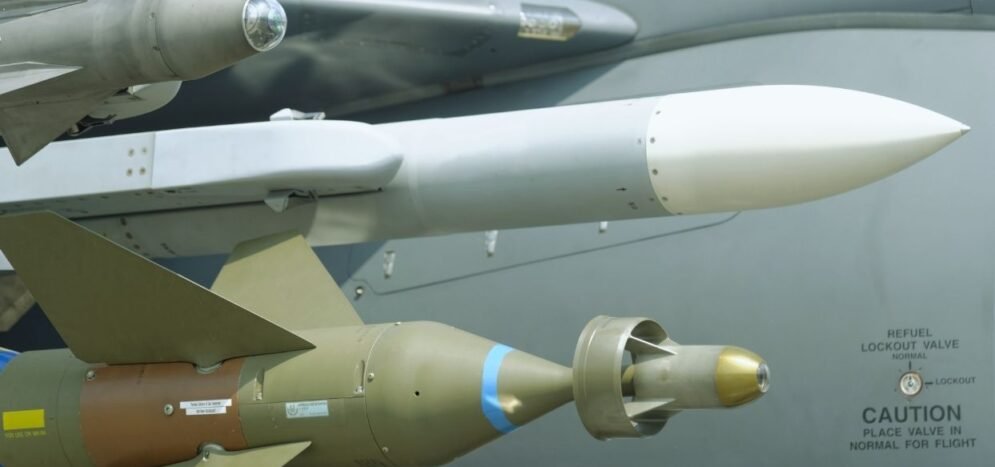
Laser Guided Bomb Tester: Ensuring Precision in Modern Air-to-Ground Warfare
Laser Guided Bomb Tester enhance weapon reliability through precision calibration, seeker validation, system diagnostics, mission readiness verification, and maintenance support for modern laser-guided munitions.
Introduction
Precision-guided munitions have transformed modern warfare by enabling military forces to engage targets with exceptional accuracy while minimizing collateral damage. Among the most widely used precision weapons are Laser Guided Bombs (LGBs), which rely on laser designation systems to guide munitions toward designated targets. These weapons have become critical assets for air forces worldwide due to their effectiveness in close air support, strategic strike missions, and battlefield interdiction operations.
As laser-guided weapons become increasingly sophisticated, ensuring their reliability and operational readiness has become a vital requirement. This has led to the development of Laser Guided Bomb Testers, specialized systems designed to inspect, evaluate, calibrate, and verify the performance of laser guidance units before deployment.
Laser Guided Bomb Testers play a crucial role in military maintenance ecosystems by enabling technicians to assess seeker functionality, electronic performance, targeting accuracy, and system integrity. By identifying faults before operational use, these testing systems help improve mission success rates, reduce maintenance costs, and enhance overall weapon effectiveness.
With global defense forces investing heavily in smart munitions and precision strike capabilities, Laser Guided Bomb Testers are increasingly becoming essential components of modern weapons support infrastructure.
Laser Guided Bomb Tester in the Past
Historically, conventional bombs dominated air-to-ground strike operations. These weapons relied heavily on pilot skill, visual targeting, and favorable environmental conditions. During the early stages of precision-guided weapon development in the 1960s and 1970s, laser guidance technology emerged as a revolutionary capability capable of significantly improving bombing accuracy.
The first generations of laser-guided bombs utilized relatively simple guidance systems. Testing and maintenance procedures were largely manual, involving basic electrical inspections and mechanical checks. Specialized testing equipment was limited, and maintenance personnel often depended on laboratory-based diagnostic systems.
As laser guidance technology matured, military organizations recognized the need for dedicated testing platforms capable of evaluating seeker heads, optical sensors, and guidance electronics. Early Laser Guided Bomb Testers were primarily designed to verify laser receiver sensitivity and electrical continuity.
Throughout the 1980s and 1990s, improvements in electronics, digital processing, and avionics integration led to increasingly sophisticated guided munitions. Consequently, testing equipment evolved to support more comprehensive diagnostics, calibration procedures, and fault detection capabilities. These developments established the foundation for today’s advanced laser-guided weapon testing systems.
Laser Guided Bomb Tester in the Present
At present, Laser Guided Bomb Testers are widely utilized across military air forces, naval aviation units, and defense maintenance facilities. Modern laser-guided bombs contain complex electronic systems, advanced seekers, digital processors, and integrated navigation components that require precise validation before deployment.
Current-generation testing systems are capable of performing a wide range of diagnostic functions. These include laser seeker evaluation, electronic subsystem testing, optical alignment verification, software integrity checks, power supply diagnostics, and communication interface testing.
Portable and field-deployable testers are increasingly being adopted to support operational flexibility. Maintenance crews can conduct inspections directly at airbases, forward operating locations, and deployment zones without requiring extensive laboratory infrastructure.
Advanced Laser Guided Bomb Testers are also incorporating automated testing procedures. Automated diagnostics reduce human error, improve testing consistency, and accelerate maintenance workflows. Real-time data analysis enables technicians to identify faults rapidly and implement corrective actions before mission execution.
Many modern systems are designed to support multiple bomb variants and guidance kits, allowing defense organizations to reduce equipment inventories while increasing operational efficiency. These multi-platform testing solutions are particularly valuable for air forces operating diverse precision-guided weapon inventories.
Digital maintenance management systems are further enhancing testing operations. Diagnostic results can be recorded, analyzed, and integrated into predictive maintenance programs, improving lifecycle management and reducing unexpected weapon failures.
Laser Guided Bomb Tester – Future
The future of Laser Guided Bomb Testers is expected to be shaped by automation, artificial intelligence, digital diagnostics, and next-generation precision weapon technologies. As guided munitions continue to evolve, testing systems will need to support increasingly complex weapon architectures.
Artificial intelligence may play a significant role in future diagnostic processes. AI-powered maintenance systems could automatically identify anomalies, predict component failures, and recommend corrective actions based on historical performance data.
Digital twin technology is also expected to influence future testing methodologies. Virtual representations of laser-guided bombs may enable engineers and technicians to simulate weapon performance, identify faults, and optimize maintenance procedures before physical inspections are conducted.
Cloud-connected maintenance ecosystems may improve fleet-wide visibility of weapon readiness. Defense organizations could monitor the health and performance of entire munition inventories through centralized diagnostic networks.
Future testers are likely to incorporate advanced optical simulation technologies capable of replicating complex battlefield environments. Such systems may enable more realistic validation of seeker performance under varying weather conditions, target characteristics, and operational scenarios.
As autonomous and network-enabled weapons become more common, Laser Guided Bomb Testers may also expand their capabilities to assess data links, cybersecurity integrity, and software-driven targeting systems.
Market Drivers for Laser Guided Bomb Testers
Several factors are driving demand for Laser Guided Bomb Testers globally. The growing adoption of precision-guided munitions by military forces remains the primary market driver. Nations are increasingly prioritizing accurate strike capabilities to improve operational effectiveness and reduce collateral damage.
Rising defense modernization programs are also contributing to market growth. Many armed forces are upgrading aging weapon inventories and introducing advanced laser-guided bomb systems that require specialized testing equipment.
Increased military readiness requirements further support demand. Defense organizations seek to maximize weapon availability and mission reliability through comprehensive maintenance and testing procedures.
Technological advancements in smart munitions are creating additional opportunities for testing system manufacturers. As weapon systems become more sophisticated, demand for advanced diagnostic solutions continues to increase.
Growing geopolitical tensions and military procurement activities are also encouraging investments in precision-strike infrastructure and associated maintenance capabilities.
Restraints of the Laser Guided Bomb Tester Market
Despite positive growth prospects, several restraints continue to affect market expansion. High development and acquisition costs remain significant challenges for many defense organizations. Advanced testing systems often require specialized hardware, software, and calibration technologies.
Budget limitations may restrict procurement activities, particularly among smaller military forces with constrained defense spending priorities.
The highly specialized nature of laser-guided weapon maintenance also creates workforce challenges. Skilled technicians and engineers are required to operate, maintain, and interpret diagnostic systems effectively.
Additionally, lengthy procurement cycles and regulatory requirements can delay equipment acquisition and deployment timelines.
Compatibility issues may also arise when supporting multiple generations of guided munitions, requiring ongoing upgrades and system modifications.
Challenges of the Laser Guided Bomb Tester Market
The market faces several technological and operational challenges. One major challenge involves keeping pace with rapidly evolving precision-guided weapon technologies. Testing systems must continuously adapt to support new seekers, processors, software architectures, and guidance mechanisms.
Cybersecurity is becoming an increasingly important concern as diagnostic systems become more connected and software-dependent. Protecting maintenance networks and weapon-related data from cyber threats is essential.
Interoperability represents another challenge. Defense organizations often operate weapons sourced from multiple manufacturers, creating requirements for versatile and adaptable testing solutions.
Maintenance complexity continues to increase as guided munitions incorporate more advanced electronics and digital systems. Testing equipment must provide comprehensive diagnostics without significantly increasing maintenance burdens.
Furthermore, environmental conditions encountered during deployment can affect testing accuracy and equipment reliability, requiring robust system designs capable of operating in diverse operational environments.
Conclusion
Laser Guided Bomb Testers have become essential tools for maintaining the reliability, accuracy, and operational readiness of modern precision-guided munitions. By enabling comprehensive diagnostics, calibration, and performance verification, these systems help ensure that laser-guided bombs perform effectively in demanding combat environments.
As military forces continue to expand their precision-strike capabilities, the importance of advanced testing and maintenance infrastructure is expected to grow significantly. Emerging technologies such as artificial intelligence, digital twins, predictive maintenance, and automated diagnostics are likely to further enhance testing effectiveness and operational efficiency.
Although challenges related to cost, complexity, interoperability, and cybersecurity remain, continuous innovation is expected to strengthen the capabilities of Laser Guided Bomb Testers in the coming years. Ultimately, these systems will remain a critical component of modern defense readiness, supporting mission success and maximizing the effectiveness of precision-guided weapon inventories worldwide.