
The Multirotor Drone: A New Era in Military Tech
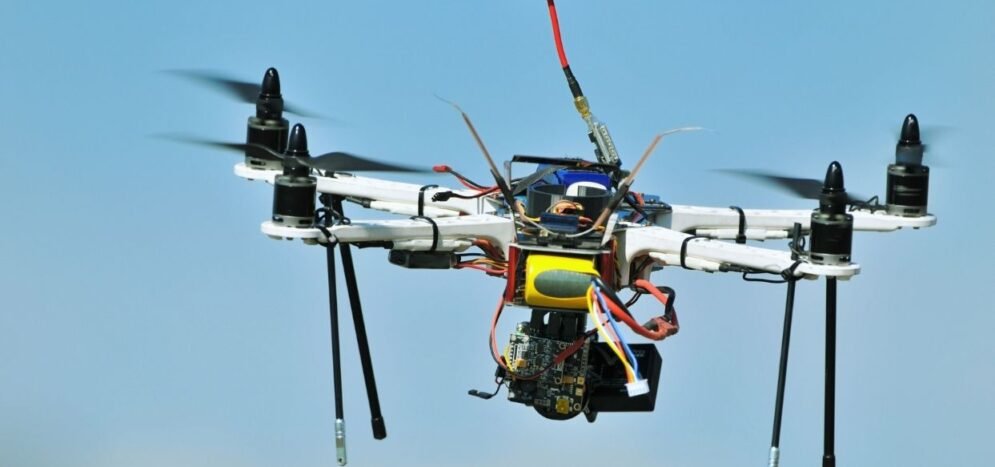
Defense Multirotor drones have changed modern military strategy. Simply put, they are small aircraft with multiple spinning blades. These compact flyers are transforming defense operations worldwide. This article explains why they matter. Specifically, it covers their vital uses and market outlook.
Why Multirotors are Key
Multirotor drones are essential military tools. They offer a unique set of skills. For instance, unlike fixed-wing planes, they can hover. They also navigate tight urban spaces easily. This makes them perfect for specific missions. Furthermore, their cost is low. They are far cheaper than traditional aircraft.
Core Military Uses
The need for real-time information drives the market. Consequently, the defense sector uses multirotors widely.
- Scouting: They scout ahead for ground troops. This is done without risking soldiers’ lives.
- Precision Drops: They drop small supplies or smart explosives with great accuracy.
- Targeting: They “paint” targets with lasers. This guides missiles launched from other systems.
- Security: They monitor convoys and bases. Also, they check borders for illegal activity.
In essence, they act as expendable, mobile eyes for soldiers.
Market Growth and Future Tech
The market for defense multirotors is growing fast. This growth is fueled by new conflicts. The conflicts show the value of small, cheap air power. Experts forecast continuous growth (around 13-16% CAGR).
Future Trends
The next generation of multirotors will feature major upgrades. First, battery life will improve greatly. This allows longer missions. Second, AI and Autonomy will be standard. This means they can fly and choose targets without constant human control. Finally, hybrid designs are coming. These combine the hover ability of multirotors with the speed of fixed-wing planes.
Challenges to Adoption
Despite their advantages, multirotors face hurdles. For example, flight time is a major restraint. Most models run out of power quickly. Also, jamming remains a threat. Enemies use EW systems to block drone signals. This turns the drone into useless junk. Finally, regulations pose difficulties. Governments struggle to set clear rules for drone use, even for military units.
Conclusion
The multirotor drone is quickly changing the battlefield. It provides speed, awareness, and low-cost precision. As technology advances, these systems will become even more vital. Ultimately, their role in protecting troops and providing an air advantage is now firmly established.