

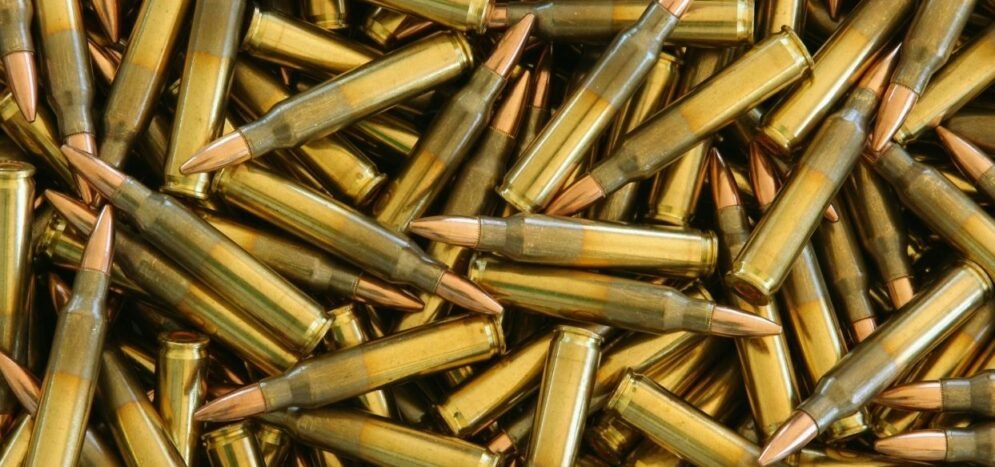
Diving into the 5.56mm Ammunition Market: Precision, Versatility, and Global Demand
The 5.56mm ammunition market represents a cornerstone of the small caliber sector, powering rifles that have become synonymous with modern military and civilian applications. Known for its balance of lethality, low recoil, and lightweight design, the 5.56mm round—often in its NATO-standard configuration—fuels everything from assault rifles in combat zones to sporting firearms at ranges. As defence budgets swell and civilian interest in shooting sports surges, this market has evolved into a dynamic arena blending tradition with technological innovation. From polymer-based variants to eco-friendly formulations, the 5.56mm segment reflects broader shifts toward sustainability and efficiency in ammunition production. This blog examines the market’s landscape, key drivers, regional variations, challenges, competitive dynamics, and what the future holds for this essential caliber.
Understanding the 5.56mm Ammunition Landscape
Within the broader small caliber ammunition arena, the 5.56mm round stands out for its widespread adoption. This caliber, typically chambered in rifles like the M4 carbine or AR platforms, offers versatility across military, law enforcement, and civilian uses. Market segmentation often categorizes by product type, including rimfire and centerfire, though centerfire dominates due to its reliability in high-pressure scenarios. The 5.56mm falls squarely in the centerfire category, with variants such as full metal jacket for training, hollow point for self-defence, and armor-piercing for tactical operations.
By application, the market splits between defence needs—where the round supports infantry tactics and peacekeeping missions—and civilian pursuits like hunting, target shooting, and personal protection. Military demand emphasizes bulk procurement for stockpiling and exercises, while civilians favor premium loads with enhanced ballistics. Distribution channels include direct government contracts, wholesale to retailers, and online platforms catering to enthusiasts. Sources range from traditional brass casings to advanced composites that reduce weight and environmental impact. This diversity ensures the 5.56mm remains adaptable, serving as a bridge between conventional firepower and modern requirements for portability and precision.
Key Drivers Propelling Market Expansion
Several forces are accelerating growth in the 5.56mm ammunition market. Rising global military expenditures play a pivotal role, as nations modernize forces with compatible weapon systems, driving consistent demand for this NATO-standard round. Geopolitical tensions in hotspots like Eastern Europe and the Middle East heighten procurement, with armed forces prioritizing ammunition that offers range and minimal recoil for rapid deployment. Law enforcement agencies similarly favor the caliber for its stopping power in urban environments, further bolstering orders.
Technological advancements are another major catalyst. Innovations in projectile design, such as lead-free primers and polymer cases, enhance performance while addressing environmental concerns, appealing to both military buyers and eco-conscious civilians. The surge in shooting sports and hunting activities, particularly in regions with strong firearm cultures, amplifies civilian demand. Urbanization and perceived security threats encourage personal ownership, translating to higher sales of self-defence rounds. Additionally, the push for sustainable manufacturing—reducing toxic materials—aligns with regulatory pressures, opening new avenues for market differentiation. These drivers collectively position the 5.56mm as a resilient segment amid evolving defence and recreational landscapes.
Regional Insights and Global Dynamics
The 5.56mm ammunition market exhibits distinct regional flavors, influenced by defence policies, cultural norms, and economic factors. North America commands a substantial share, driven by robust military operations and a thriving civilian sector. Here, high per capita firearm ownership fuels demand for sporting and self-defence variants, supported by a network of manufacturers innovating in green technologies. The region’s focus on NATO interoperability ensures steady exports to allies.
Europe maintains a strong presence, with modernization efforts amid regional conflicts spurring investments in this caliber. Countries with active NATO roles prioritize compatible ammunition for joint exercises, while civilian use centers on regulated hunting and sports. Asia-Pacific emerges as a rapid-growth area, propelled by military expansions and geopolitical rivalries. Nations investing in indigenous production seek to reduce import dependence, blending local manufacturing with imported tech for customized loads. Latin America grapples with internal security challenges, where law enforcement demand dominates, often through international partnerships. The Middle East and Africa focus on counterterrorism and peacekeeping, relying on imports to equip forces amid varying regulatory environments. Global trade flows underscore interconnectedness, though logistical and political hurdles occasionally disrupt supplies.
Challenges Facing the Industry
Despite its momentum, the 5.56mm market navigates significant obstacles. Stringent regulations on toxic materials and firearm safety complicate manufacturing, requiring costly adaptations to meet environmental standards. In regions with strict gun control, civilian access is limited, concentrating demand on military channels and potentially stifling growth. Supply chain vulnerabilities, including raw material shortages for brass or propellants, add economic pressure, exacerbated by geopolitical events.
Environmental scrutiny intensifies, with calls to phase out lead-based rounds pushing innovation but inflating development costs. Competition from alternative calibers, like those offering greater penetration or reduced weight, challenges market dominance. Political instability in key regions can lead to procurement delays or smuggling issues, disrupting legitimate trade. Balancing these factors demands agile strategies, from diversified sourcing to advocacy for favourable policies, to sustain market vitality.
Competitive Landscape and Key Players
The market thrives on a mix of established giants and innovative specialists. Leading firms focus on research to deliver high-performance variants, often securing long-term government contracts. Companies emphasize NATO-compliant designs, with offerings in training, combat, and specialized rounds like tracers or frangible. Strategic mergers expand capabilities, allowing access to new technologies and markets.
Other participants specialize in eco-friendly alternatives, differentiating through non-toxic formulations that appeal to modern militaries. Regional players adapt products to local needs, such as enhanced ballistics for harsh environments. Overall, the landscape is moderately concentrated, with innovation in materials and sustainability serving as key battlegrounds for market share.
Future Outlook and Opportunities
Looking ahead, the 5.56mm ammunition market appears set for steady evolution. Opportunities abound in functional enhancements, like smart projectiles integrating guidance for improved accuracy. Sustainability will remain central, with biodegradable components and low-impact manufacturing gaining traction amid global green initiatives. Emerging regions offer untapped potential, as defence buildups create demand for reliable, versatile rounds.
Advancements in production, such as additive manufacturing for custom casings, could lower costs and boost efficiency. As hybrid threats emerge, ammunition’s role in integrated warfare—pairing with drones or sensors—will expand. Navigating regulatory and environmental hurdles will be crucial, but the caliber’s proven track record positions it well for enduring relevance.
Conclusion
The 5.56mm ammunition market encapsulates the fusion of tactical necessity and innovative progress, serving as a vital link in defence and recreational ecosystems. From its dominant role in small caliber segments to adaptations for a greener future, it mirrors broader industry shifts toward precision and responsibility. As global demands intensify, stakeholders can anticipate a market that continues to deliver impact, blending heritage with forward-thinking solutions. Whether in the hands of soldiers or sportsmen, the 5.56mm round remains a symbol of reliability in an unpredictable world.