

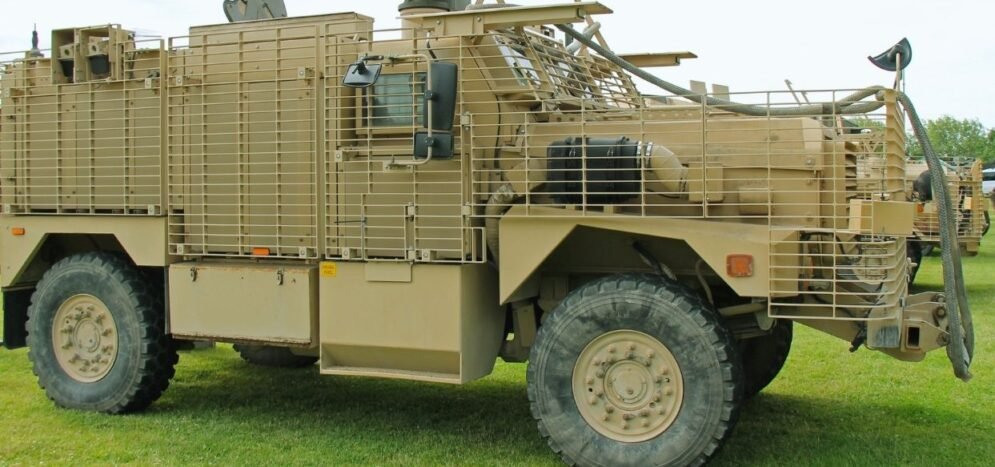
Exploring Vetronics Technology: The Nerve Center of Modern Defense Vehicles
The Defence Vetronics technology forms the electronic backbone of military vehicles, integrating systems that enhance battlefield performance and crew safety. Short for vehicle electronics, it powers everything from communication networks to advanced sensors in tanks, armored carriers, and unmanned platforms. This dynamic field blends rugged hardware with smart software, transforming raw machinery into intelligent assets ready for complex missions.
Core Components of Vetronics
Vetronics encompasses a suite of interconnected systems tailored for harsh combat environments. Communication devices ensure seamless data exchange between vehicles and command centers, while navigation tools guide units through unfamiliar terrain. Sensors provide real-time environmental data, feeding into displays that offer crews a clear operational picture.
Power management distributes energy efficiently across subsystems, supporting weapons, engines, and electronics without failure. Combat management systems process inputs from multiple sources, enabling quick threat assessment and response. These elements work in harmony, creating a resilient digital ecosystem that withstands shocks, dust, and electronic interference.
Ruggedized designs prioritize modularity, allowing upgrades without full overhauls. From head-up displays to encrypted networks, every piece contributes to heightened situational awareness, turning vehicles into extensions of the operator’s senses.
Evolution from Basic Electronics
Vetronics has grown from simple wiring harnesses into sophisticated architectures driven by defense needs. Early systems focused on basic engine control and radio links, but modern iterations incorporate networked computing for shared intelligence. This shift supports joint operations where vehicles from different forces interoperate smoothly.
Advancements in materials make components lightweight yet durable, fitting lighter vehicle designs. Integration of commercial tech, adapted for military rigor, accelerates innovation while controlling costs. The result is platforms that adapt to evolving threats, from urban skirmishes to open-field engagements.
Historical roots trace to armored vehicle upgrades, where electronics replaced mechanical controls for precision. Today, vetronics embodies a philosophy of connectivity, ensuring no vehicle operates in isolation.
Key Applications in Military Operations
Vetronics shines in enhancing combat effectiveness across vehicle types. In tanks and infantry fighting vehicles, sensor fusion delivers multispectral views, spotting threats in fog or darkness. This boosts accuracy for weapons systems and reduces friendly fire risks.
Electronic warfare modules detect and counter enemy signals, jamming radars or spoofing missiles. Autonomous features allow remote control of unmanned ground vehicles, keeping personnel out of harm’s way during reconnaissance or logistics runs.
Situational awareness tools aggregate data from cameras, radars, and external feeds, painting a comprehensive battlefield map. Onboard diagnostics monitor health in real time, predicting failures before they strand units. These capabilities extend to amphibious and special-purpose vehicles, broadening tactical flexibility.
Driving Forces Behind Adoption
Defense modernization fuels vetronics demand as forces seek network-centric warfare advantages. Seamless data sharing creates a unified battlespace, where insights flow instantly from scouts to commanders. This interconnectedness amplifies small-unit impact against larger foes.
Rising threats from drones and cyber attacks spur resilient designs with built-in countermeasures. Governments prioritize indigenous production to secure supply chains, fostering local expertise in electronics integration. Collaborative programs between nations standardize interfaces, easing allied deployments.
Budget pressures favor scalable vetronics that retrofit legacy fleets, extending service life without new purchases. Industry partnerships blend government specs with private innovation, delivering battle-proven reliability.
Challenges in Development and Deployment
Vetronics faces hurdles from extreme conditions that test system limits. Vibrations, temperature swings, and electromagnetic pulses demand ultra-rugged builds, complicating design. Ensuring cybersecurity protects against hacks that could cripple fleets mid-mission.
Integration with diverse subsystems risks compatibility issues, requiring extensive testing. Supply chain dependencies on rare components expose vulnerabilities to global disruptions. Balancing openness for upgrades with security lockdowns remains a core tension.
Maintenance in field conditions calls for user-friendly diagnostics, minimizing downtime. Regulatory frameworks across borders add layers of compliance, slowing rollouts.
Leading Innovators and Ecosystem
Major defense contractors dominate vetronics, crafting tailored solutions for flagship programs. European research centers pioneer open architectures, enabling plug-and-play modules. U.S. firms excel in sensor-heavy systems for high-mobility vehicles, while Asian players focus on cost-effective mass production.
Suppliers provide specialized parts like high-bandwidth connectors and AI processors, forming a robust ecosystem. Startups inject agility with software-defined vetronics, allowing over-the-air updates. Global expos showcase prototypes, sparking collaborations that refine battlefield readiness.
Emerging Trends and Innovations
Artificial intelligence embeds deeply, automating threat detection and route planning. Edge computing processes data onboard, slashing latency for split-second decisions. Multi-domain connectivity links air, land, and sea assets, creating holistic command views.
Autonomy expands to swarm tactics, where vetronics coordinates drone-vehicle teams. Advanced materials like gallium nitride boost power efficiency in compact forms. Digital twins simulate upgrades virtually, speeding development cycles.
Sustainability influences designs with recyclable electronics and energy harvesting. Civilian crossovers, like autonomous trucking, leverage military-grade vetronics for rugged commercial use.
Future Battlefield Implications
Vetronics redefines warfare by making vehicles smarter and more survivable. Crews gain god-like awareness, wielding data as a weapon. As platforms evolve toward option manned operations, vetronics ensures human oversight where needed.
This technology promises shorter conflicts through decisive edges, deterring aggression via superior capability. Ethical integrations prioritize human judgment amid automation. Ultimately, vetronics secures missions, safeguarding lives behind armor.
Vetronics stands as a testament to electronics’ transformative power in defense, blending grit with genius for tomorrow’s fights.