

Defence Ship Simulator Technology: Navigating Tomorrow’s Maritime Battles
Defence ship simulators technology leads naval training today. It copies complex sea environments with amazing detail. Therefore, these advanced systems put crews right into virtual seas. They practice in everything from stormy oceans to contested straits. As a result, sailors can improve their skills without risking real ships or lives. Furthermore, this vital market gives navies worldwide the tools they need for tactics, maintenance, and mission practice. In short, it blends cutting-edge software with realistic hardware to prepare for real-world threats.
Core Components of Ship Simulators
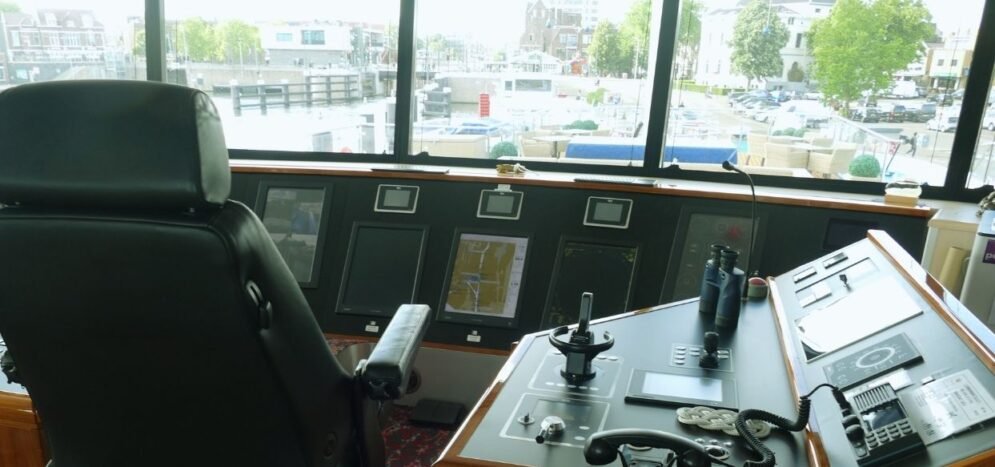
Modern simulators use full-motion platforms. These platforms copy the ship’s heave, roll, and pitch using hydraulic parts. Additionally, visual systems show 360-degree views using large domes or curved screens. Because of this, waves, horizons, and distant ships look incredibly real. Moreover, the control consoles look exactly like real ship bridges, combat rooms, and engine bays. They even include authentic joysticks, radars, and communication panels.
Next, the sensors provide realistic sonar pings, navigation charts, and satellite feeds. Meanwhile, physics engines copy water movement, weather effects, and weapon flight paths. On top of that, instructor stations let teachers change the scenarios. Teachers can add fog, broken parts, or enemy attacks to test how well crews adapt. Finally, networking connects multiple simulators for large fleet exercises. This allows navies to practice defending convoys or strike groups. Overall, these elements create complete training setups for both solo practice and global missions.
Evolution from Basic Trainers
Early simulators were simple analog machines that copied steering. However, they evolved during the Cold War into digital copies of frigates and submarines. Later, basic computer consoles gave way to virtual reality (VR) systems. This change was sped up by using video game technology. Today, simulators use Artificial Intelligence (AI) enemies. These AI foes learn from the trainee’s tactics, which creates unpredictable and challenging battles.
Furthermore, better hardware like motion bases and feedback gloves make the experience feel more real. Also, cloud technology allows remote access. This means crews on land can practice with units already at sea. Ultimately, this progress reflects the navy’s shift toward using scattered forces and unmanned drones.
Strategic Applications in Naval Training
Simulators are especially good for anti-submarine warfare drills. In these drills, operators track virtual submarines and drop defenses. Similarly, surface battle drills pit ships against missile attacks. This teaches crews how to handle weapons and control damage. In addition, amphibious practice helps coordinate beach landings while under fire. This successfully links helicopters, boats, and shore teams together safely.
Meanwhile, bridge teams practice avoiding crashes in tight spaces. At the same time, engineers learn to fix virtual problems like flooded rooms. Likewise, special forces use smaller simulators for raid practice. People who use unmanned drones also train on virtual mother-ships. As a result, many sailors get certified entirely in simulators. This cuts down on sea time and costs while boosting skills.
Driving Forces in the Market
Global political tensions are increasing the need for high-endurance training. Because of this, navies are expanding their fleets. Additionally, allied countries need their simulators to work together perfectly. Therefore, standardized simulators are crucial for joint operations. Also, tight budgets make virtual training more appealing than live-fire drills, since simulators save a lot of money.
On top of that, talent shortages mean navies need exciting, immersive tools to recruit young, tech-savvy people. Furthermore, cyber threats are now part of the training. This teaches crews how to defend their networks mid-battle. Finally, the export market is booming. This allows smaller navies to modernize without buying expensive Western ships.
Technical Innovations Reshaping Simulation
AI now creates changing weather and smart enemy behaviors. These range from rogue drones to fast-moving missiles. Additionally, new mapping technology builds exact digital coastlines from satellite data. Moreover, Augmented Reality (AR) puts virtual threats onto real video feeds for mixed training.
Instead of large domes, huge LED rooms now provide deep immersion. Also, machine learning reviews practice sessions. It gives feedback and highlights bad decisions. At the same time, blockchain technology secures the training scenarios. Meanwhile, faster computing reduces lag for real-time multiplayer games. Lastly, strong encryption protects secret tactics when navies share simulators.
Challenges in Simulator Deployment
Despite the progress, perfect realism is still hard to achieve. For example, it is difficult to perfectly copy radar noise or water bubbles. Furthermore, cybersecurity risks expose training networks to hackers. Consequently, navies often need completely disconnected systems. Another issue is that teachers can get overwhelmed designing scenarios. However, automatic generation tools help fix this problem.
Additionally, heavy hardware makes simulators hard to move. Therefore, companies are building units inside shipping containers. Also, some older sailors resist the new technology. They still prefer real sea experience over virtual training. Finally, avoiding getting locked into one vendor is a constant battle, which can hurt teamwork between countries.
Leading Innovators and Ecosystem
Major companies like Kongsberg and CAE lead the market with ready-to-use naval bridges. Often, they partner with Lockheed for top-secret parts. Meanwhile, L3Harris is the best at submarine simulators. Conversely, smaller companies like VSTEP offer cheaper VR options for coast guards. In the background, software teams build the code that connects different systems.
Furthermore, university partnerships help research how humans use these machines. Defense shows display live virtual battles, which helps close sales. However, the supply chain is global and fragile. It spans from graphics card makers to hydraulic builders, making it vulnerable to computer chip shortages.
Regional Naval Priorities
Different regions have different priorities. First, Indo-Pacific powers focus on moving through island chains and surface warfare. They practice fighting groups of enemies in contested seas. Second, Europe focuses on narrow Baltic Sea passages and Mediterranean migrant operations. Third, Arctic nations practice leading icebreaking ships as the ice melts.
Meanwhile, the Middle East practices patrolling oil routes against small, swarming boats. Finally, export centers tailor their simulators for shallow-water fleets, focusing heavily on finding underwater mines.
Emerging Trends on the Horizon
“Digital twins” are exact digital copies of real ships. Importantly, they help predict cracks before a ship is even built. Also, virtual “metaverse” fleets create ongoing worlds for long-term training. Looking ahead, brain-computer connections might allow sailors to control turrets with their thoughts. This trains their reflexes instantly.
At the same time, a focus on green energy is creating electric motion bases. Additionally, adding game elements, like scoreboards and badges, keeps junior sailors engaged. Lastly, space integration allows simulators to practice aiming space weapons for ocean strikes.
Operational Impact and Future Horizons
Ship simulators greatly multiply a navy’s readiness. In fact, they turn new crews into battle-tested teams without wearing out real ships. Moreover, they test tactics before a real mission begins, which reduces deadly surprises. Consequently, the money saved can be spent on real ships, creating a positive cycle.
In conclusion, this technology completely changes seamanship. Virtual storms now build real bravery. Navies that master simulators will master the seas. Ultimately, this protects global trade routes and homelands. Defence ship simulators are pushing the market toward everyday virtual training. They perfectly blend digital screens with real grit to create unbreakable fleets.