

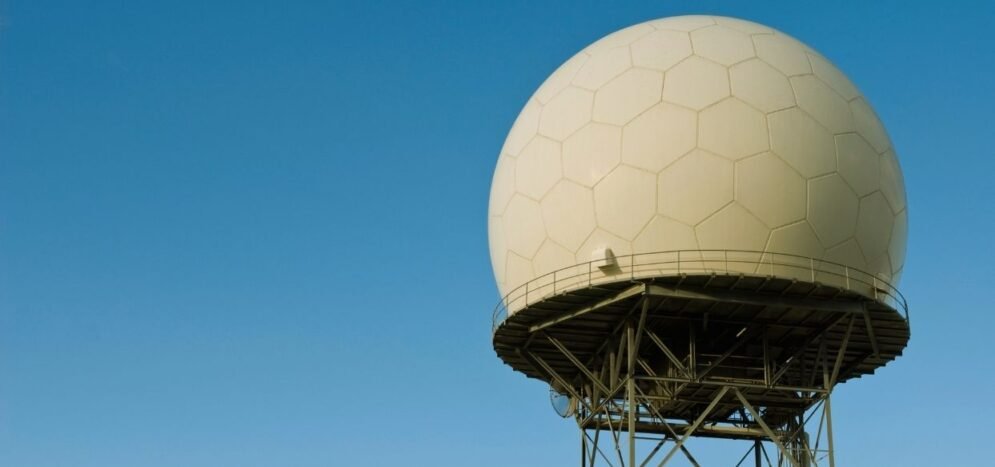
Antenna, Transducer, and Radome Technology: Invisible Pillars of Modern Sensing
Antenna, transducer, and radome technologies form the silent backbone of defense, aerospace, and communication systems, converting signals into actionable intelligence across air, sea, and space. Antennas radiate and receive electromagnetic waves, transducers bridge electrical and mechanical realms for sonar or ultrasound, and radomes encase them in weatherproof shields without distorting performance. This integrated market drives radar dominance, secure links, and underwater awareness, enabling platforms from fighters to submarines to sense threats first.
Core Functions and Synergies
Antennas shape beams through phased arrays that steer electronically, tracking targets without moving parts. Dipoles and slots handle broad frequencies, while reflectors focus energy for long-range detection. Transducers vibrate crystals to pulse sound waves in water, echoing off hulls or mines for acoustic portraits. Piezoelectric materials convert pressure to signals, vital for active sonar.
Radomes blend fiberglass, composites, and foams, transparent to radio waves yet tough against hail, sand, or ice. Multi-layer designs filter specific bands, protecting nose cones on missiles or ship masts. Together, they create self-contained sensor suites, where antennas transmit, transducers listen, and radomes endure frontline abuse.
Modular builds allow swaps for spectrum upgrades, future-proofing platforms.
Historical Foundations and Material Shifts
Cold War urgency birthed slotted waveguide antennas for bombers and early radomes from epoxy laminates. Transducer arrays evolved from rubber-clad hydrophones to mosaic panels covering full hulls. Digital beamforming replaced hydraulics, shrinking profiles while boosting gain.
Composites supplanted metals for weight savings, with carbon fiber enabling conformal shapes that hug fuselages. Nanocoatings now repel water and erode slowly, extending service in salty atmospheres. This progression mirrors platform evolution, from lumbering patrols to stealthy drones.
Critical Applications Across Domains
Aerospace radars use gallium nitride antennas for fire-control, painting targets amid chaff. Naval transducers form towed arrays, sipping faint propeller whines across oceans. Satellite comms rely on gimbaled antennas with inflatable radomes for space resilience.
Missile seekers pack miniature transducers for terminal guidance, while ground stations shield dish farms under geodesic radomes. UAVs integrate pop-out antennas, linking swarms invisibly. Emergency services tap civilian spin-offs for weather radars and medical imaging.
Each domain demands tailored specs—broadband for EW, narrowband for precision.
Market Drivers and Strategic Imperatives
Spectrum congestion fuels wideband designs, squeezing more channels from crowded skies. Stealth priorities shrink radar cross-sections, demanding low-profile antennas. Hypersonic platforms need heat-resistant radomes surviving Mach edges.
Export controls favor domestic fabs, spurring sovereign supply chains. Dual-use potential accelerates commercial crossovers, from 5G towers to wind farm monitors. Alliances standardize interfaces, easing coalition sensor sharing.
Urban warfare adds EW resistance, filtering urban noise for clean tracks.
Technical Innovations Redefining Performance
Gallium nitride amps crank kilowatts into conformal arrays, doubling range without bulk. Metamaterials bend waves around obstacles, hiding antennas in plain sight. Transducer MEMS shrink sonars to chip scale, embedding in drones.
Active radomes embed circuits, self-healing scratches or tuning impedance live. Graphene coatings slash weight while conducting heat away. AI optimizes patterns in flight, nulling jammers dynamically.
Quantum transducers promise atomic-precision sensing, blurring sonar-radar lines.
Deployment Challenges and Solutions
Environmental extremes crack radomes, countered by graded dielectrics matching expansion rates. Transducer biofouling clogs arrays, mitigated by antifouling paints or pulsed cleaning. Antenna detuning from flex demands adaptive matching networks.
Cyber hooks into beam controls risk hacks, secured by onboard crypto. Logistics for remote swaps favor plug-and-play cassettes. Testing in compact ranges verifies without open skies.
Supply crunches for rare earths in piezo crystals push synthetics.
Key Innovators and Supply Web
Raytheon and Thales lead multi-function antennas, pairing radar with comms. Ultra Electronics crafts bespoke transducers, while Saint-Gobain dominates radome composites. Startups like Metamaterial Inc disrupt with flat lenses.
Tiered chains link resin chemists, platers, and assemblers globally. Defense fairs demo live beams, sealing partnerships. Academia refines models, from fluid-structure coupling to plasma effects.
Regional Focus and Geopolitical Angles
Indo-Pacific builds masthead arrays for sea denial, emphasizing anti-ship modes. Europe prioritizes EW-hardened radomes for contested EMS. Arctic ops favor ice-piercing transducers with heated domes.
Mideast funds mobile SATCOM shields against dust storms. Emerging fleets retrofit legacy masts with digital drop-ins.
Emerging Horizons and Crossovers
6G antennas preview holographic beams, projecting false targets. Bio-inspired transducers mimic dolphin clicks for stealth pings. Inflatable radomes suit expeditionary bases, collapsing for transport.
Swarm coordination links micro-antennas peer-to-peer. Civilian 5G radars borrow defense tricks for autonomous cars. Space debris trackers scale maritime designs upward.
Strategic Value and Battlefield Edge
These technologies grant first-look-kill, spotting salvos ere launch. Towed transducers unmask subs lurking silent. Radomes preserve edge in storms, turning weather into ally.
They deter through presence, veiling capabilities until needed. Cost swaps hardware for software, scaling defenses affordably.
Antenna, transducer, and radome tech weaves sensing into supremacy, turning waves into warnings that win wars. This market sails toward integration, where every surface senses unseen.