
Exploring the Unmanned Helicopter Market: Revolutionizing Aerial Capabilities
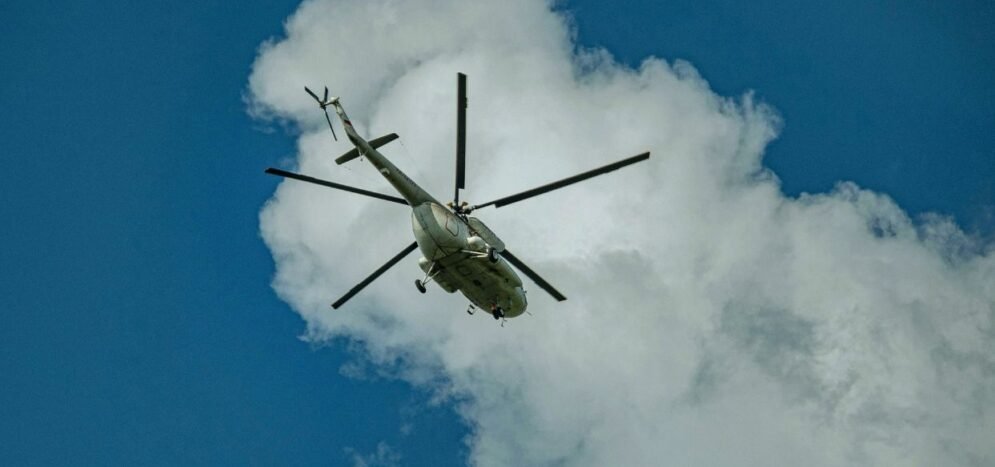
First, it is important to recognize that unmanned helicopters represent a dynamic segment within the broader drone landscape. Unlike fixed-wing drones, these rotary-wing platforms combine the versatility of traditional helicopters—such as hovering and vertical takeoff—with the autonomy of AI-driven systems. Consequently, this fusion opens new doors for applications in defense, logistics, and emergency response.
Core Technologies Driving Innovation
At the heart of these machines lie advanced rotor systems adapted for autonomous flight. Specifically, traditional mechanics like coaxial rotors are now evolving to include electric propulsion and lightweight composites. Furthermore, these modern designs enhance endurance while significantly reducing noise, which is ideal for stealthy missions.
In addition to hardware, autonomy software forms the critical backbone of the system. For example, AI algorithms integrate data from LIDAR, radar, and cameras to map environments in real-time. As a result, the helicopter can avoid obstacles and navigate complex waypoints without human intervention. Moreover, battery advancements and hybrid fuel cells are finally extending operational ranges, allowing these airframes to withstand harsh conditions.
Key Applications Across Sectors
1. Defense and Military Operations
In a military context, unmanned helicopters excel by providing persistent surveillance without risking a pilot’s life. Specifically, they perform intelligence, surveillance, and reconnaissance (ISR) missions and relay live data from conflict zones. Furthermore, armed variants can deliver precision strikes with minimal collateral damage.
In addition to combat, these platforms thrive in logistics. For instance, they ferry supplies to forward bases or conduct casualty evacuations in dangerous areas. Meanwhile, naval forces deploy them from ships to enhance fleet protection through anti-submarine warfare.
2. Commercial and Industrial Uses
Beyond the battlefield, industries harness these platforms for massive efficiency gains. For example:
- Energy: Oil and gas sectors use them to inspect offshore rigs and monitor pipelines.
- Agriculture: Farmers leverage precision hovering to assess crop health and apply targeted spraying.
- Disaster Response: Teams deploy them for search-and-rescue in flooded areas to drop aid or map damage.
- Utilities: Inspectors use drones to check power lines and wind turbines, which removes the need for dangerous manual climbs.
The Competitive Landscape
Currently, the market features a mix of established giants and agile startups. Notably, defense contractors like Boeing and Lockheed Martin are pioneering military-grade models. Simultaneously, Airbus Helicopters is advancing autonomous variants from its civil lineup, focusing on “manned-unmanned teaming.”
On the other hand, Israeli firms such as Elbit Systems lead in tactical reliability. In Asia, Chinese players like AVIC are gaining ground by offering high-payload designs at a lower cost. Furthermore, India’s ecosystem is growing rapidly, with HAL and innovators like ideaForge creating indigenous solutions tailored to regional needs.
Emerging Trends and Future Outlook
Looking ahead, several trends will likely shape the future of this industry:
- Electric Propulsion: As battery technology improves, quieter and greener operations will become the standard.
- Swarm Intelligence: Specifically, fleets of helicopters will soon coordinate to provide overwhelming coverage for search or attack scenarios.
- 5G Integration: Consequently, faster networks will enhance global connectivity and support real-time data analytics.
Overcoming Remaining Challenges
However, several hurdles still persist. For instance, vulnerability to electronic warfare and extreme weather remains a concern. Additionally, cybersecurity is a major priority, as hackers may target control links. Therefore, industry leaders are currently developing encrypted protocols and blockchain verification to secure these assets.
Conclusion
In summary, the unmanned helicopter market pulses with potential. By blending proven rotorcraft heritage with cutting-edge AI, these platforms are redefining what is possible in the air. While challenges like cost and regulation remain, the move toward autonomy is inevitable. Ultimately, these versatile machines will become a mainstream tool for both global defense and commercial industry.